
Growth Architecture & In-House Execution
We start with strategy and structure. The services below represent the in-house execution that supports and delivers the growth roadmap.
Social Media
Web Development
Consultancy & Training
Branding
Graphic Design
Google Ads
Mobile App Development
E-Commerce Websites
Software Development


Branding & Graphic Design
You’re not just a brand, you’re a statement! From logos to social media posts, we bring your vision to life with designs that make an impact.
- Logo Design & Brand Guidelines
- Business Card
- Letterhead
- Invoices/Receipts
- Notepad, Envelopes, Calendar
- Social Media assets, posts & templates
- CGI and video animation
Marketing Systems & Performance
Clarity first, execution second. The services below are delivered in-house, aligned with the growth roadmap.






Platforms, Systems & Automation
Technology services executed in-house to support long-term growth.
Web & Apps Development
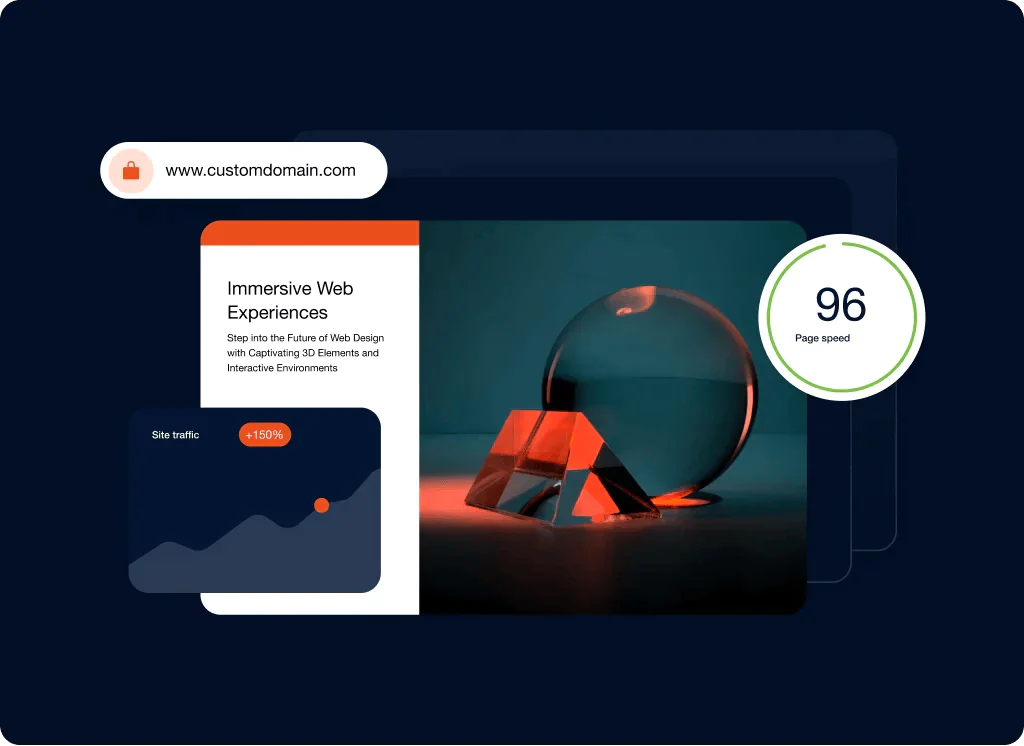
Let’s build something great! Whether it’s a sleek website or a user-friendly mobile app, we develop platforms that are as functional as they are visually appealing; with marketing and SEO readiness built in from the start.
- UI/UX Design
- Android & iOS development
- CMS & Backend Development
- Hosting Plans
- Maintenance & Support
Software and Solution Development
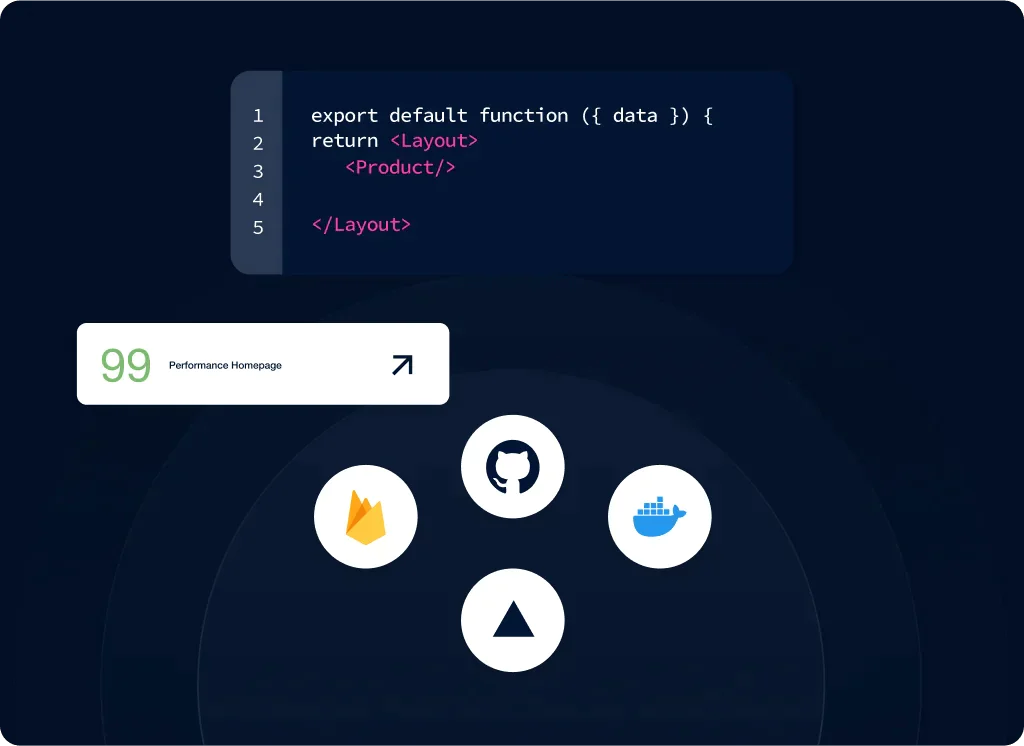
Tailored Software and e-commerce solutions to drive innovation and efficiency. From AI to IoT, we specialize in the future. Smart solutions for smarter businesses.
- Full custom software development
- Ecommerce solutions
- SaaS solutions
- AI & IOT
- Software support and maintenance
Digital Product Management & Automation
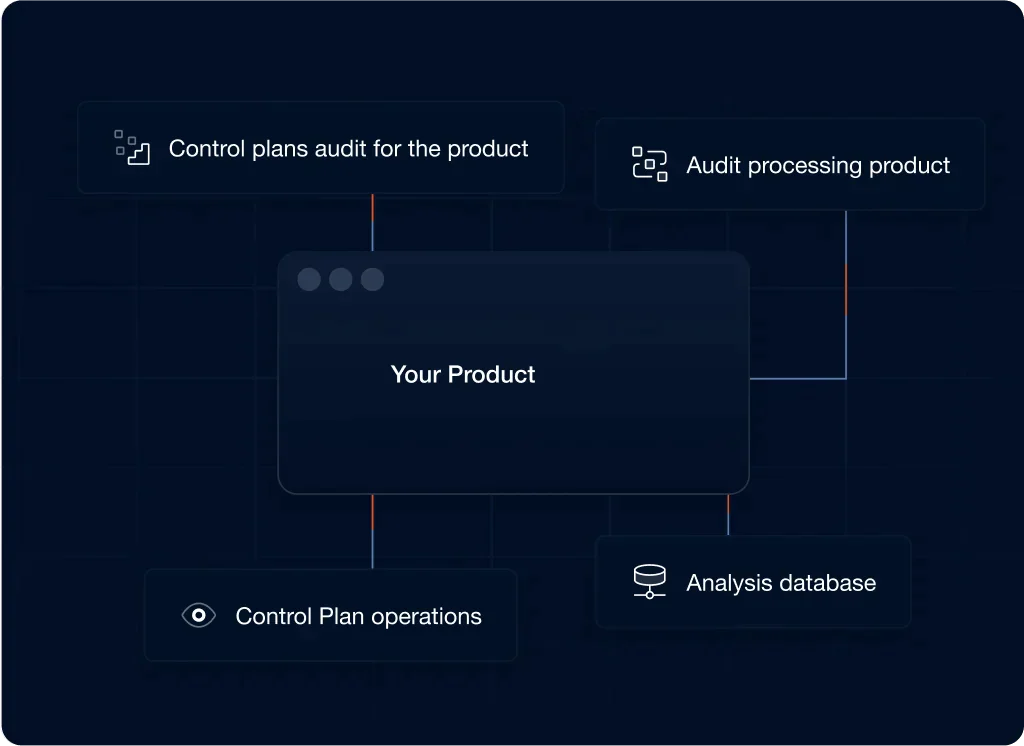
We streamline digital product development, ensuring companies save time and access specialized expertise for efficient implementation. This also includes Products Set up and automation such as CRMs and bots.
- CRM - Bots setup & Automation
- Creating Product Roadmaps
- Managing Product Development
- UI/UX
- Validation and Testing
- Launching the product and Support
 Obtain a Cost
Estimate
It takes less than 30 seconds
Some of Our Clients










The seven services, and which problem each answers
TheBuzihub delivers seven in-house growth services for GCC businesses — SEO, advertising, social media, technology, branding, reputation management, and growth programs — built so each answers a specific business problem rather than existing as a generic marketing offering.
TheBuzihub is a growth agency combining strategy with in-house execution, running every service through the same team rather than outsourcing pieces to subcontractors a client never meets.
Choosing the right starting point usually comes down to what problem is actually showing up: a business invisible in search results has a different problem than one with traffic but no conversions, and each maps to a different one of the seven rather than a generic "marketing help" request.
Some businesses need one service scoped tightly around a single problem; others are past that stage and need several running together, coordinated through a growth program rather than as separate, disconnected engagements.
The services also feed each other by design — a brand system built for identity work shows up in ad creative, and organic content built for SEO strengthens what a reputation program has to work with — so choosing one is rarely a decision made in isolation from the rest.
Which problem each service actually solves
Each service maps to a specific symptom rather than a generic need. Invisible in search results despite having a real product or service is an SEO problem, worked on a longer timeline that compounds.
Needing predictable traffic now, not in three months, is what advertising answers instead, at a cost that runs only as long as spend does. A weak or inconsistent presence across platforms, or a following that never converts into leads, is a social media problem.
A website or app that cannot scale, cannot integrate with a CRM, or was never built to support the marketing running on top of it is a technology constraint no amount of ad spend fixes.
Looking different across the site, the ads, and the packaging — or simply not looking credible yet — is a branding gap. Negative or outdated search results about the business or a named executive is an online reputation problem specifically.
And needing several of the above to work together rather than as isolated fixes is what a growth program coordinates.
Matching the symptom to the right service is usually clearer than it first looks, but businesses commonly default to the service they have heard of rather than the one that actually fits the problem — asking for "more marketing" when the real constraint is a website that cannot convert the traffic already arriving, or asking for a rebrand when the actual issue is that nobody can find the business in search results at all.
A short diagnostic conversation before any service is scoped exists specifically to catch that mismatch, since the wrong service applied well still does not fix the underlying problem, and a business that spends a quarter on the wrong fix has lost both the budget and the time it would have taken to solve the real issue.
How the services combine over time
Two services pairing together is more common than any single service running alone, and the pairing usually follows the same handful of patterns. SEO and content work feed advertising creative and landing pages, since a paid campaign built without the organic keyword research behind it usually targets the wrong terms.
Branding work feeds both advertising and the website, since ad creative and site design built without a documented brand system drift into looking like different companies within a few campaigns.
Reputation management leans on both branding and SEO, since suppressing a negative result depends on publishing content that is both on-brand and actually structured to rank.
Technology work underpins nearly everything else — a CRM or an automation platform is what turns a lead from any of the other six services into an actual tracked, followed-up prospect rather than a form submission nobody sees again.
None of the seven is designed to be the last piece a business ever needs; each is scoped to solve its specific problem well, and a growth program is what coordinates several running at once once a business needs more than one.
The order services get added usually follows the order problems get discovered, not a fixed sequence every client follows.
A business that starts with advertising because it needs traffic now often discovers within a few months that its conversion rate is capped by a technology or branding gap the ads alone cannot fix, at which point the second service gets added to address what the first one exposed rather than what was originally planned for.
This is normal, not a sign the first engagement was scoped wrong — a single service is rarely positioned to see the whole picture from month one, and part of what a standing relationship with one team (rather than seven separate vendors) provides is that the next gap gets flagged early, from inside the work, instead of surfacing months later in a report nobody reads closely.
Consistency across services is what a client notices even when they cannot name it directly: the same account manager who was on the kickoff call is still reachable six months in, the reporting format does not change every time a different specialist rotates onto the account, and a request made about one service does not have to be repeated to a second team that has no context on it.
None of that shows up in a single line item on an invoice, but it is a large part of why running several services through one relationship tends to hold together better over a year than the same services bought separately, each optimizing for their own piece of the picture rather than the business's whole result.
A service does not necessarily stay active at the same intensity forever. Once a channel is performing to a stable target — rankings holding, a campaign converting at a known rate — it moves onto lighter maintenance rather than continuing to consume the same scoping and iteration effort as a newer, still-developing service. Budget and attention shift toward whichever problem is currently the least solved, which is the same logic that governs how the channel mix inside a single growth program gets re-weighted, applied at the level of the whole relationship rather than one program.
How the mix differs across GCC markets and languages
Which service matters most shifts by market as well as by problem.
A business primarily selling into Dubai's search market is working against a dense, bilingual, mobile-first competitive set where SEO and technical speed both carry real weight, while the same business expanding into Riyadh is working against a younger, faster-growing search volume with a different competitive mix entirely — the service stays the same, but the priority within it does not.
Paid social also splits by market rather than following one regional default: Facebook and Meta campaigns hold up consistently across most GCC markets, while Snapchat carries an unusually large share of attention in Saudi Arabia specifically, which changes where paid budget should actually go for a business expanding there.
None of the seven services runs identically in every market it touches, which is part of why a service scoped for one country's launch is revisited, not simply copied, when the same business expands into a second one. Language adds a second layer on top of the market difference.
A campaign or a set of landing pages that performs well in English does not automatically perform the same way translated into Arabic — search behavior, ad copy that actually resonates, and even which platform an audience favors can shift between the two languages within the same country, which is why bilingual work is planned as two native executions from the start rather than one language adapted from the other after the fact.
This applies across services, not only content: a brand system has to hold up in Arabic typography as much as Latin, and reputation work has to monitor what is being said in both languages, since a story contained in one language's coverage can still be spreading unaddressed in the other.
What it costs, and how an engagement starts
What any of the seven services costs depends on scope, market, and competition rather than a flat number for the category, which is why digital marketing cost in the GCC is broken down by the factors that actually drive it instead of a single published price list.
An engagement typically starts the same way regardless of which service is the entry point: a scoping call to understand the actual problem, a review of what already exists (a website, existing campaigns, an existing brand), and a proposal scoped against that specific starting point rather than a generic package.
Some engagements start narrow, around one service solving one clear problem, and expand once that service is working and a second problem becomes the priority; others start broader from day one, when several problems are already visible at once and coordinating them through a growth program makes more sense than solving them one at a time in sequence.
What happens after the first proposal is accepted follows a consistent pattern regardless of which service or combination was scoped: a kickoff to align on goals and access (website admin, ad accounts, existing brand assets), a baseline audit specific to whichever service is starting, and an agreed reporting cadence before any work goes live.
That baseline matters more than it sounds — without it, a report six months later has nothing concrete to measure the actual improvement against, and a client is left taking a results claim on faith rather than seeing the specific starting point next to where things stand now.
Existing assets are reused wherever they hold up, rather than rebuilt by default just because a new service is starting.
A business with a solid existing website does not need a rebuild to add an SEO or advertising program on top of it; a business with a strong existing brand does not need a rebrand just because reputation work is starting.
Part of the initial audit is specifically distinguishing what already works from what does not, since starting every new service from a blank slate wastes budget on rebuilding things that were never actually broken.
Published work across each service
- an SEO audit in practice
- performance-focused advertising work
- video and social work in the UAE
- custom software delivered end to end
- a rebranding project in the UAE
- reputation work across the GCC
- a coordinated growth program
Frequently asked questions
How do I know which service fits my problem?
Start from the symptom, not the service name: invisible in search is SEO, need traffic immediately is advertising, inconsistent presence across platforms is social media, a website or app that cannot scale is a technology constraint, looking different across channels is a branding gap, and negative search results about the business are a reputation problem. A short scoping call sorts this out quickly when it isn't obvious from the symptom alone.
Can services be combined, or do we need to pick just one?
Combining is common, not an exception — most businesses eventually run more than one service once the first is working and exposes a second constraint, such as an advertising campaign revealing a conversion problem the technology or branding side needs to fix. A growth program exists specifically to coordinate several running together once that point is reached.
How is pricing handled across multiple services?
Each service is scoped and priced against its own requirements, then combined into one proposal and one invoice when more than one is running, rather than negotiated as separate contracts with separate account managers. Bundled pricing through a growth program is generally more efficient than running the same services as fully separate engagements.
How long does a typical engagement run?
It depends on the service: a single-channel retainer like SEO or advertising typically runs month to month after an initial scoping period, while a growth program spanning several services usually asks for a longer minimum commitment, since a bundled roadmap needs time to show how the channels compound together.
Which markets do you serve beyond the UAE?
The team is based in Dubai and works across the wider GCC, with the specific market mix depending on the service — SEO and reputation work adapt to each country's search behavior, while paid social budget shifts by platform depending on which one actually carries the audience in that market. A scoping call confirms coverage for any specific market.
Is there a minimum commitment to get started?
It varies by service. A narrowly scoped engagement around one clear problem can start smaller; a multi-service growth program asks for a longer minimum, since the coordination between channels is most of what it delivers and that takes months to show. A scoping call sets the right minimum for the actual problem, not a blanket policy.
Where should we actually start if we have several problems at once?
Whichever problem is costing the most right now, not necessarily the one that feels most urgent day to day — a technology constraint that caps every other channel's performance is often the right starting point even when a marketing symptom is what prompted the call, since fixing it first makes every service layered on top of it perform better.
Is there a single point of contact across all seven services?
Yes, when more than one service is running together — one account manager coordinates across the specialists on each service rather than a client managing separate relationships and reconciling conflicting advice between vendors who don't talk to each other. A single service running alone still gets a direct point of contact on that specific team.
Do you work with businesses that only need occasional or project-based help?
Yes, alongside the standing retainer and program model — a one-off website build, a single rebrand, or a scoped technical audit are all handled as discrete projects rather than requiring an ongoing commitment. This suits a business with one specific, bounded problem right now rather than an open-ended need for continuous marketing work.