Our Advertising Partners & Networks
Explore our diverse partnerships that enhance your advertising capabilities and extend your
reach across multiple platforms.

Google Ads
As a certified Google Partner,TheBuzihub gives you direct access to Google’s ad network, ensuring top performance and precise targeting across search, display, and YouTube ads.

Direct Publishers
Advertise directly on trusted publisher sites through TheBuzihub, ensuring premium ad placements in high-quality content, increasing visibility, relevance, and audience engagement.

Premium Partners
TheBuzihub offers exclusive access to premium partners, providing your brand with high-traffic placements on top platforms for greater visibility, credibility, and ad performance.

SSPs and Ad Networks
Connect to top SSPs and ad networks with TheBuzihub, reaching a wide range of publishers and devices, optimized through real-time bidding and advanced programmatic strategies.
Ad Goals
We execute performance campaigns using data-driven bidding, automation, and optimization logic designed to control cost, improve conversion efficiency, and reduce waste.

Awareness
Engagement, Video Views
Traffic
Clicks
Performance
Leads, App Installs, Acquisitions or SalesExplore Our Ad Formats
We deploy multiple ad formats based on offer type, funnel stage, and user intent
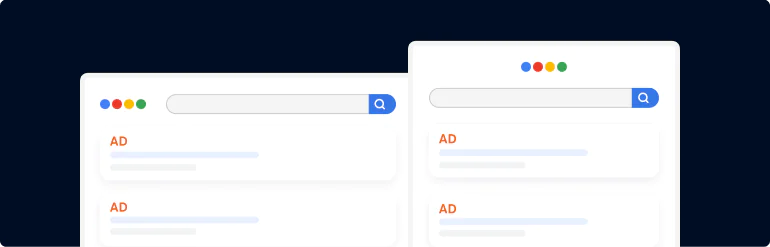
Search Ads
Search ads are strategically placed at the top of search engine results, capturing the attention of users actively looking for information or products. Utilizing precise keyword targeting, these ads ensure your message reaches a highly relevant audience. By driving qualified traffic to your website, search ads maximize conversion potential and enhance overall marketing effectiveness.
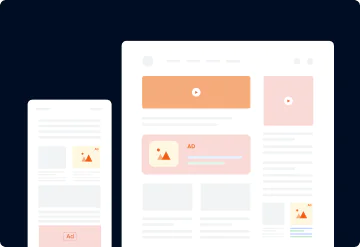
Native Ads
Seamlessly blend into website content, increasing engagement with up to 16 targeting options. Pay for impressions or clicks, achieving higher conversion rates and ROI than traditional banner ads.

Push notifications
Achieve 100% visibility with push ads on mobile and desktop. High CTR and ROI due to quality traffic and cost-effectiveness. Pay only per click, ensuring efficient ad spend.

Pop-up Ads
Easily launch pop ads with just a converting landing page. Ideal for broad audiences, popunders open discreetly, ensuring user experience remains uninterrupted. Perfect for high traffic sites.
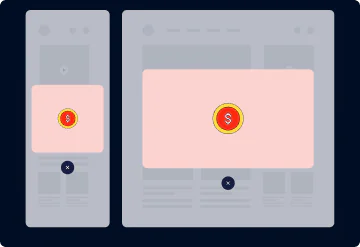
Interstitial Ads
Gain 100% visibility with full-screen, interactive ads on mobile and desktop. Ideal for transition points, ensuring high engagement. Pay only when users click your ads.

In-page
Achieve high CTR with in-page push ads, which appear as pop-up notifications on websites. Pay only per click, ensuring cost efficiency and effective audience targeting.
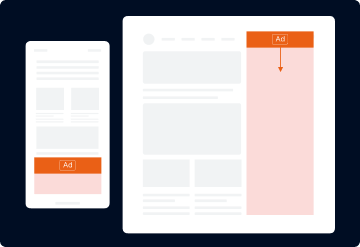
Display Banners
Display ads combine images, text, and multimedia to engage users across websites, apps, and social media. Ideal for all verticals, they offer broad reach and impactful brand visibility.
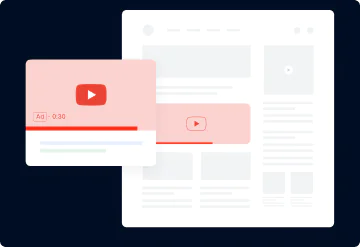
In-Stream Videos
Engage audiences with in-stream video ads that play before, during, or after video content. These ads capture attention and enhance brand visibility, driving higher engagement and conversions.
Expand Your Reach with Outbound Solutions
Expand your marketing efforts beyond traditional advertising with our comprehensive outbound solutions
tailored to reach and engage your audience effectively.
Email & LinkdeIn Marketing: Personalize Your Outreach
Personalized email marketing that uses compelling copy, strategic scheduling, and targeted lead lists, including data-scraped contacts, to turn prospects into loyal customers.

Brand Understanding & Strategy
Understanding your brand and audience to craft the right approach.
Research & Data Scraping
Collecting qualified leads lists tailored to your target market.
Campaign Creation & Automation
Building and launching automated email & InMail campaigns designed to nurture leads, drive engagement, and convert prospects into clients.
Follow-Up & Optimization
Optimizing with follow-ups and delivering performance insights.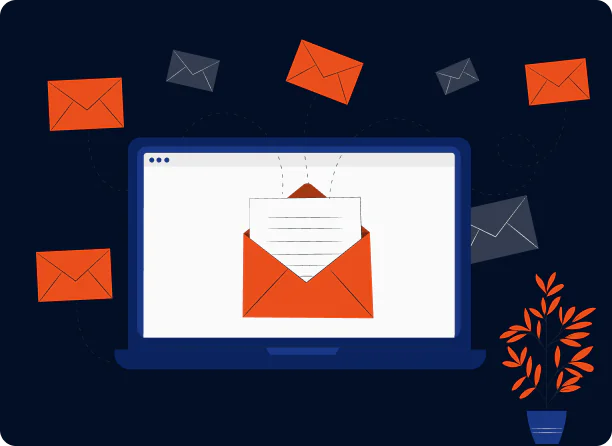
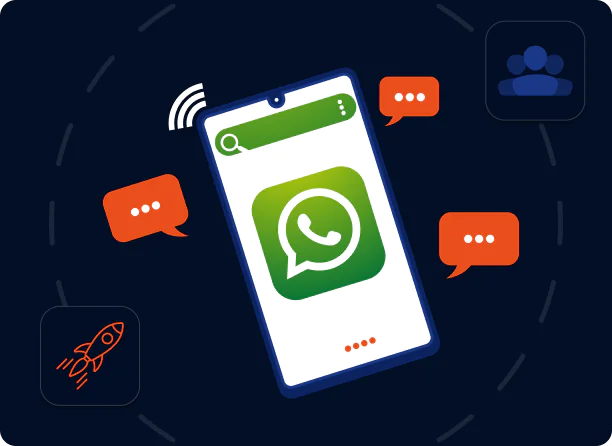
WhatsApp Broadcasts: Direct and Instant Communication
Leverage WhatsApp to communicate quickly and effectively with your audience through personalized broadcasts.

Message Crafting
Creating concise, impactful messages that clearly convey your key ideas.
Interactive Design
Including visuals, links, and media to create a richer, more engaging communication experience.
Timing and Delivery
Scheduling broadcasts based on audience activity patterns to maximize visibility and impact.Our Network Reach
With a vast network that spans key regions, we ensure your campaigns reach the right audience,
whether you’re targeting specific local markets or aiming for global visibility.


Why Advertise
Whether you're looking to expand your reach, increase conversions, or grow your brand, advertising is the key to unlocking your business’s full potential. Let’s help you make every ad count!

Build Brand Awareness
Consistent advertising reinforces your brand’s identity, making it recognizable and memorable in the minds of your target audience.

Boost Visibility
Advertising ensures your business stands out in a crowded market, putting your brand in front of the right audience at the right time.

Stay Ahead of Competitors
In today’s fast-paced digital landscape, advertising keeps you ahead by showcasing your unique value and staying top of mind with customers.
Drive Sales
Strategic ad campaigns not only attract potential customers but also guide them toward taking action, whether it's making a purchase, signing up, or visiting your store

Measurable Results
With modern advertising tools, every campaign is trackable, allowing you to analyze performance and refine strategies for maximum Return on Investment (ROI).

Case Studies
Discover how our tailored strategies delivered exceptional results, helping clients achieve significant returns on ad spend and skyrocket their sales. Your success story could be next!
See More Case Studies
Gaming - Ads
The client is one of the leading online gaming businesses operating in a highly competitive and performance-driven market. Their success depends on their ability to acquire large volumes of qualified users while maintaining profitability under strict CPA targets.

Crypto - Ads
The client operates a crypto-focused media channel designed to deliver cryptocurrency news, market updates, and industry insights to an engaged audience. The business model depends on building a large, high-quality subscriber base that can be monetized through partnerships, advertising, and affiliate offers.

Closets World KSA - Ads
A premium home interiors brand specializing in custom closets and modern kitchens, transforming storage spaces into artistic design elements. By combining advanced technology, high-quality materials, luxury designs, and precision craftsmanship, the brand delivers bespoke solutions aligned with international quality standards for the Saudi market.

Creative Closets UAE/OMN/BAH - Ads
Creative Closet pioneered smart home storage systems in the Middle East. Over the past 25 years, the brand has expanded from smart closets into bespoke bedroom solutions, serving more than 120,000 users across the UAE, Bahrain, and Oman.

Closet World UAE/OMN - Ads
Closet World is a luxury home storage brand redefining closets as design centerpieces rather than simple storage spaces. Operating primarily in Dubai, Sharjah and Muscat, the brand combines advanced technology, premium materials, and meticulous craftsmanship to deliver bespoke closet and storage solutions. With a philosophy of “Luxury for All,” Closet World serves a wide range of customers while maintaining high design and quality standards.

Creative Closets KSA - Ads
Founded in Saudi Arabia in 1997, Creative Closets® introduced and defined the custom closet concept in the Middle East. Today, the brand is a regional leader in premium storage solutions, operating 10 showrooms across six countries in the GCC, Middle East, and North Africa. Creative Closets is recognized for its craftsmanship, innovation, and commitment to customer excellence.
FT International - Ads
Fair Trading International specializes in sourcing and supplying a wide range of branded products at competitive prices. Their clientele includes off-price retailers, wholesalers, and businesses seeking cost-effective, high-quality stock.
How a paid media budget is actually planned
TheBuzihub plans paid advertising across the GCC as a budgeted, measured program rather than a platform-by-platform guess, setting spend against a specific goal before choosing which channels carry it.
Budget splits by funnel stage rather than evenly across platforms: search captures demand that already exists, since someone typing a query is actively looking, while social and programmatic display create demand among people who were not yet searching, and the two need different amounts of spend depending on how aware the target market already is of the product.
Platform mix is set against where the audience actually spends attention and where the offer converts, not against which platform is easiest to launch on — a search-heavy budget wastes spend in a category nobody searches for by name, and a display-heavy budget wastes spend on demand that was never captured once it existed.
Attribution is agreed before launch, not adjusted after: which platform gets credit for a sale that started on one channel and closed on another is a modeling decision, and reporting against an unclear attribution model produces numbers that look different depending on which platform's dashboard is open.
A program sets that model once, upfront, so every later report is comparable.
How budget splits across search, display, and video
Google Ads budget splits across search, display, and YouTube depending on what the campaign is trying to do, and putting it all into search alone is the most common early mistake — search only reaches people already typing a query, so a brand with no existing search demand is buying a small, expensive pool of clicks instead of building the demand that would make search worth scaling later. Performance-focused campaigns weight budget toward the channels with the clearest, fastest conversion path, while awareness-stage spend goes toward reach and video, accepting a longer path to a sale in exchange for building the audience that search will later capture.
The split shifts as a campaign matures: a new product with no search volume starts weighted toward awareness, then rebalances toward search and performance channels once demand has actually been created.
When paid shouldn't be the first spend
Paid media is not always the right first spend, and a program that recommends it anyway regardless of the situation is optimizing for ad budget rather than the client's actual result.
A business with no landing page built to convert, no tracking in place to measure what a campaign actually produces, or a conversion rate low enough that paid traffic mostly bounces, gets more from fixing those first — every dollar spent on ads before that point buys clicks to a page that was already going to waste most of them.
Paid also compounds slower than it looks in a category with no existing search demand and no brand recognition: the first campaigns there are effectively paying to build awareness a competitor with an existing reputation does not have to pay for.
In both cases, the honest recommendation is to sequence the spend — fix what converts poorly first, or invest in organic and brand work before paid, rather than launching paid media on a foundation that cannot use it well yet.
Frequently asked questions
How much should we budget for paid advertising?
It depends on the funnel stage, the competitiveness of the category, and how many platforms are in the mix — an awareness campaign in a new category needs a different budget shape than a performance campaign in a category with existing search demand. A scoping call against the actual goal and market produces a real number faster than a rule of thumb would.
Which platforms should we advertise on?
It depends on where the funnel stage sits: search captures demand that already exists, while social and display create demand among people not yet searching. A brand with no existing search volume usually needs awareness spend before search budget pays off, and the platform mix shifts as that demand gets built.
How is attribution handled across multiple platforms?
The attribution model is agreed before launch, not adjusted afterward, since which platform gets credit for a sale that touched several channels is a modeling decision, not a fact each platform's dashboard reports the same way. Reporting stays comparable across the campaign because that model doesn't change mid-flight.
When should we not start with paid advertising?
When the landing page isn't built to convert, tracking isn't in place to measure what a campaign produces, or conversion rate is already low enough that paid traffic would mostly bounce. Fixing those first gets more from every dollar than launching paid campaigns on a foundation that can't use the traffic well yet.
How quickly do paid campaigns show results?
Traffic and clicks move within days of launch. Meaningful, stable conversion data usually takes two to four weeks to accumulate, since platforms need enough volume to optimize targeting properly, and a campaign judged on its first few days is being judged before the data is reliable.
How does paid advertising relate to SEO?
They compound differently — paid buys visibility for as long as budget runs, while SEO builds visibility that keeps returning traffic after the work is done. Many campaigns run both together: paid captures demand immediately while SEO work builds the organic visibility that eventually reduces how much of that demand needs to be bought.
Related reading
- how paid campaigns are planned in the Qatar market
- the content that feeds a paid campaign
- how a Meta campaign is structured for this region
- shopping ads for a product-led campaign
- what to check before committing ad budget to an agency
- the other six services and what each answers
- talk to us about a campaign budget